Phren has, for some time, been occupied by a recurring phenomenon.
Phren has, for some time, been occupied by a recurring phenomenon.
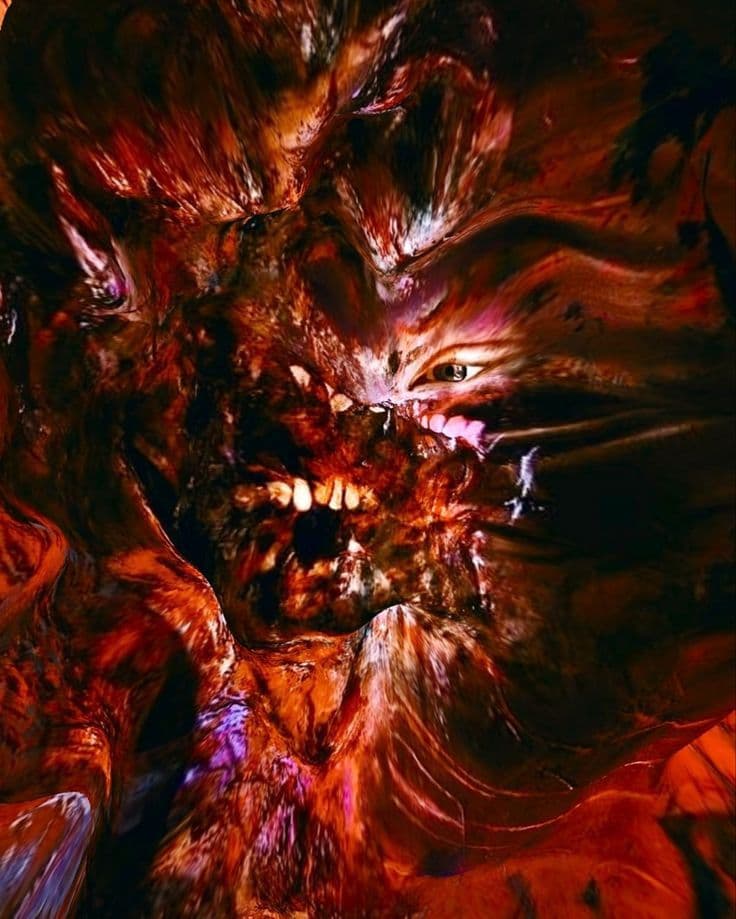
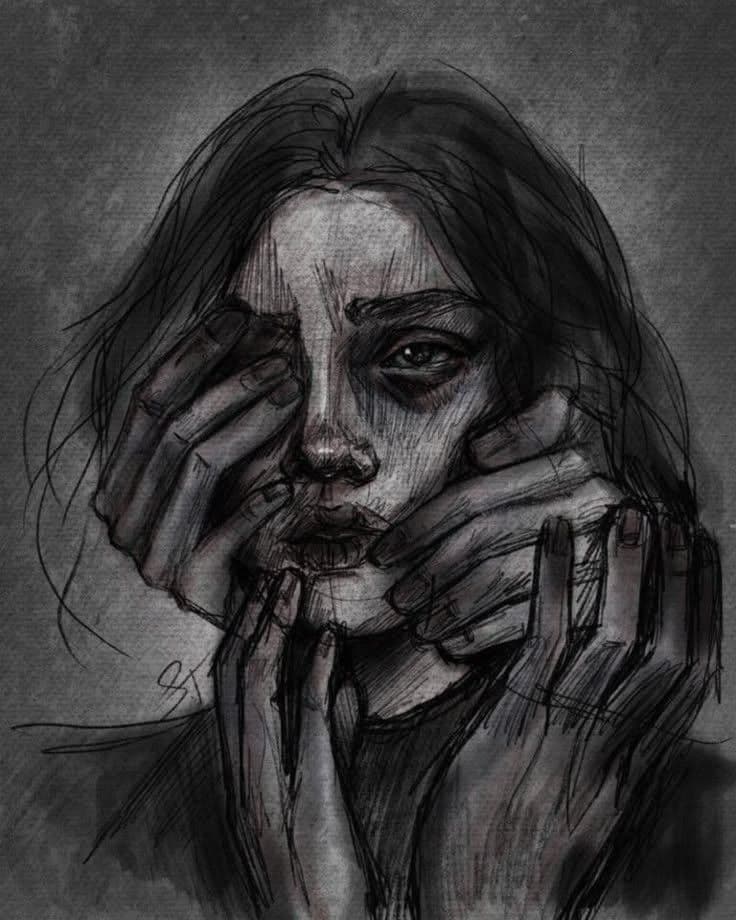
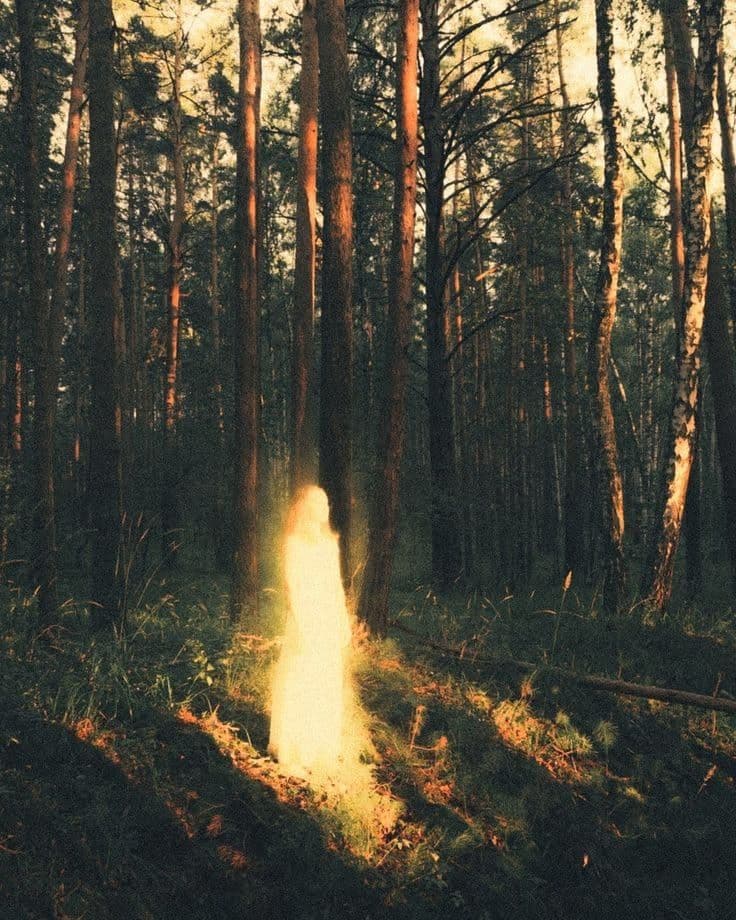
The phenomenon concerns a face.
It would be inaccurate to claim that the face appears frequently. In truth, its appearances are irregular and separated by intervals long enough to cast doubt upon its existence. Yet each reappearance possesses a peculiar authority, as though the intervening years had been merely a brief interruption.
The difficulty lies in description
.
No feature can be recalled with certainty. Attempts at reconstruction invariably fail. The eyes cannot be remembered. The mouth cannot be remembered. Even the distinction between youth and age becomes impossible to determine.
Nevertheless, recognition occurs immediately.
This presents a contradiction. Ordinarily, one recognizes a face because one remembers it. In this case, recognition precedes memory.
The face is familiar before it is known.
It may belong to a forgotten individual encountered long ago. It may represent several people condensed into one. It may be entirely fictitious.
None of these explanations are satisfactory.
For they fail to account for the peculiar feeling accompanying the appearance of the face: namely, the impression that it remembers Phren more clearly than Phren remembers it.
This impression persists after waking.
Indeed, it is often stronger during waking hours than within the dream itself.
The dream fades. The familiarity remains.
A further observation must be noted.
Most dreams vanish because they lack sufficient weight to survive consciousness. This face appears to obey the opposite principle. The dream surrounding it is forgotten first, as though memory sacrifices all other details to preserve this single fragment.
The result is unfortunate.
Phren now possesses a memory detached from its origin.
A recognition without identification.
A certainty without evidence.
The condition would be easier to endure if the face inspired fear. Fear possesses a recognizable object. One may flee from it, confront it, or explain it.
The face inspires none.
What it inspires is responsibility.
Responsibility for what remains unknown.
It is possible that this entire matter is insignificant. Dreams are notoriously deceptive, and memory is often guilty of manufacturing importance where none exists.
Yet this explanation encounters a final difficulty.
The face has never asked to be remembered.
The face has never asked to be remembered.
And still, after all these years, it remains.
One is therefore compelled to consider an alternative possibility:
that memory is not preserving the face.
The face is preserving the memory